Empowering Neighborhoods with Safety Initiatives

When it comes to feeling secure in your own neighborhood, nothing beats the power of community. You want to live in a place where you can walk freely, let your kids play outside, and enjoy peace of mind. That’s why neighborhood safety programs are so important. They bring people together, create awareness, and provide practical tools to keep everyone safe. I’m excited to share how these programs work, what they look like, and how you can get involved to make your neighborhood a safer place.
Why Neighborhood Safety Programs Matter
Neighborhood safety programs are more than just meetings or patrols. They are a way to build trust and cooperation among neighbors. When you know your neighbors and work together, you create a strong network that can prevent crime and respond quickly if something happens.
Here’s why these programs are essential:
Increase Awareness: You learn about potential risks and how to avoid them.
Build Relationships: Stronger bonds mean people look out for each other.
Provide Resources: Access to safety tools and education empowers everyone.
Encourage Reporting: When neighbors communicate, suspicious activities get reported faster.
Create a Safer Environment: Visible safety efforts deter criminals.
By joining or starting a neighborhood safety program, you take an active role in protecting your community. It’s not just about waiting for help; it’s about being part of the solution.

How Neighborhood Safety Programs Work
Neighborhood safety programs come in many shapes and sizes, but they all share common goals. Here’s a simple breakdown of how they usually operate:
Organize a Group: A core team of neighbors forms to lead the effort.
Set Clear Goals: Decide what safety issues to focus on, like burglary prevention or traffic safety.
Educate Members: Share tips, hold workshops, and distribute safety materials.
Create Communication Channels: Use apps, social media, or phone trees to stay connected.
Coordinate Patrols or Watch Groups: Volunteers keep an eye on the area during certain hours.
Partner with Local Authorities: Work with police and emergency services for support.
Evaluate and Adapt: Regularly review what’s working and make improvements.
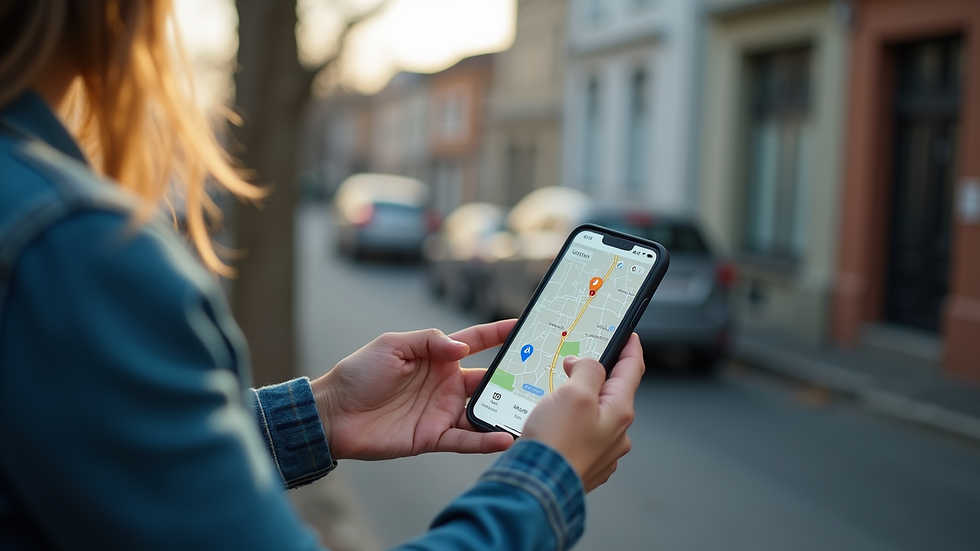
You don’t need to be an expert to start or join a program. Many communities use simple tools and resources to get going. For example, some neighborhoods use apps that allow residents to report suspicious activity instantly. Others organize monthly meetings to discuss recent incidents and share safety tips.
Remember, the key is consistency and involvement. The more people participate, the stronger the program becomes.
What is an example of community safety?
Community safety can take many forms, but one clear example is a Neighborhood Watch program. This program encourages residents to be vigilant and report any unusual behavior to the authorities. It’s a simple yet effective way to reduce crime.
Another example is organizing safety workshops that teach self-defense or emergency preparedness. These workshops give you practical skills and confidence to handle difficult situations.
Some neighborhoods install better lighting and security cameras in public areas. This physical improvement makes it harder for criminals to operate unnoticed.
You might also see community events focused on safety, such as:
Safety fairs with demonstrations and information booths.
Walk-and-talks where neighbors walk together to identify hazards.
Youth programs that engage young people in positive activities and teach safety.
These examples show how diverse and adaptable community safety efforts can be. They all share one goal: making your neighborhood a place where everyone feels secure.

How You Can Get Involved Today
Getting involved in neighborhood safety programs is easier than you might think. Here are some practical steps you can take right now:
Attend Local Meetings: Find out if your community has a safety group and join their next meeting.
Start a Group: If there isn’t one, gather a few neighbors and start planning.
Use Technology: Download safety apps and encourage others to do the same.
Share Information: Post safety tips on community boards or social media.
Volunteer: Help with patrols, workshops, or events.
Communicate: Keep in touch with neighbors and local law enforcement.
Stay Informed: Learn about personal safety tools and techniques.
By taking these actions, you contribute to a safer environment for everyone. Plus, you gain valuable knowledge and tools to protect yourself and your loved ones.
If you want to explore more about personal safety tools and education, check out community safety initiatives. They offer resources that empower individuals like you to stay safe every day.
Building a Safer Future Together
Safety is a shared responsibility. When you take part in neighborhood safety programs, you help create a culture of care and vigilance. This culture not only reduces crime but also strengthens the bonds that make a community thrive.
Think about the impact you can have by simply watching out for your neighbors or sharing safety tips. Small actions add up to big changes. And with the right tools and knowledge, you can feel confident in your ability to protect yourself and those around you.
Let’s work together to make every neighborhood a place where safety is a priority and everyone feels secure. Start today, stay involved, and watch your community grow stronger.
Empower yourself and your neighbors with the right tools and knowledge. Safety is not just a goal - it’s a journey we take together.


Comments